

Voice search optimization is the process of optimizing your website keywords and phrases for voice assistants. The voice search engine is an emerging optimization technique in 2024. It is a critical component of digital marketing strategies nowadays and experts are implementing it to rank higher on voice search. People are becoming more technology friendly and with the adoption of smart speakers and voice assistants, users have increasingly turned to voice commands with their search queries.
According to Statista, the global market of Voice recognition is 7.14 Billion USD in 2024 and The market size is expected to show an annual growth rate (CAGR 2024-2030) of 14.24%, resulting in a market volume of US$15.87bn by 2030. Understanding and optimization of Voice search is becoming imperative for businesses to maintain and have the competitive edge in Professional SEO Services.
If you want to learn more about voice search optimization and different voice assistants, keep reading this blog. You will be amazed at the history and impact of VSO.
Evolution of Voice Search
You might be thinking that voice search is the latest component of digital marketing but you are wrong. Voice search journey started back in 1960 with a simple command recognition system. Late 2000s, there was advancement in the processes of Natural process Language (NLP) which used Machine Learning (ML) to develop the sophisticated voice assistant.
Today, the voice search system has been integrated into various mediums like smartphones, speakers and home automation systems. The post AI-era is on a continuous enhancement of understanding the contextuality of search queries which makes voice search more remarkable and efficient.
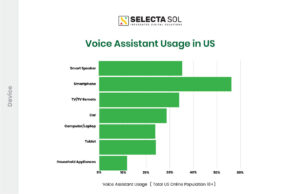
Top AI Assistants Providing Voice Search Options
AI Assistants are virtual assistants that use technology to respond to voice command queries and make it easier for a user to search for anything with their voice. Let’s discuss some of the best AI assistants and guess what? You might be using one of them for your voice search needs.
The following are the most used AI Assistants:
- Apple’s Siri
- Amazon Alexa
- Google Assistant
- Cortana
- Others
Want to know about these assistants? Let’s discuss them briefly so you can compare each other and find a compatible one for your voice search needs.
Apple’s Siri
Siri is Apple’s voice activated technology which is considered to be one of the first voice AI assistants. Siri is able to do searches, can make and answer calls, even control smart phones, it has a simple user interface and is easy to use which makes it an essential component and now it’s one of the daily life components of iOS Users.
Amazon Alexa
Alexa is known for its versatility and compatibility with smart home automation devices. Users can ask Alexa to play music, control lights, set alarms, and answer questions, making it a central hub for home automation. Third Party Developers are making customized voice recognition systems to use it with Alexa.
Google Assistant
Google Assistant has one of the best extensive databases and Response Algorithms which stands him out as one of the best AI assistants. It also has the advantage of Google Search Algorithm which makes it able to answer the queries more efficiently and precisely. Users can also use Google Assistant to get directions and information and all.
Cortana
Cortana is the Microsoft AI Assistant which has been improved from past years. It is used to respond to voice search queries in order to get any information.
Others
Samsung’s Bixby and Other AI Assistants are also contributing to its role in persuading businesses to adopt voice search optimization, they fulfill user requirements accordingly.
The competition between all these AI Assistants is increasing day by day which makes their algorithm more powerful which eventually helps them to work efficiently.
Every AI Assistant is becoming more user friendly with the best response to voice search query day by day with new features and updates. This makes a significant increase in the demand of experts for voice search optimization.
How Voice Search Works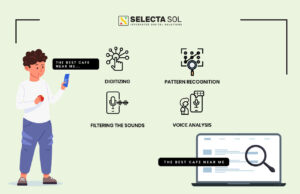
Voice Search Algorithms are complex but it doesn’t mean you don’t understand it. Let’s explain it with the steps of how voice search is conducted.
- Filter the sounds, ensuring they focus on the voice query separate from background noises.
- Digitize the voice search query, turning sound waves into digital data.
- Conduct a voice analysis by processing the digital data.
- Connect to external data sources, such as Google Search, to find and deliver relevant answers.
- Translate the information to satisfy the searcher’s intent.
- Recognize patterns and compare the query to existing samples in the database.
Don’t get it? Let’s have an example to explain it.
| Process | Example |
| Wake Word Detection | The device recognizes the wake word, like “Hey Siri.” |
| Voice Recording | The device captures your voice command after the wake word. |
| Speech Recognition | The system converts the audio recording into text. |
| Natural Language Processing | The text is analyzed to understand the intent and context. |
| Query Execution | The system searches its database or the internet for relevant information. |
| Response Delivery | The device reads out the answer or displays it on the screen. |
Voice Search Adoption
You have now seen the evolution and best AI assistant. But the question is, how users are adapting voice search? A transition or conversion from traditional or conventional type search to voice search is not easy for users and the % of voice search users is increasing day by day.
Voice search has grown rapidly in recent years, changing how people use technology to find information. At first, many were unsure about voice search because it didn’t always work well. However, improvements in artificial intelligence and how computers understand speech have helped build trust among users.
As more people recognize the convenience of speaking to their devices, voice search is becoming a regular part of how we search for information and interact with technology.
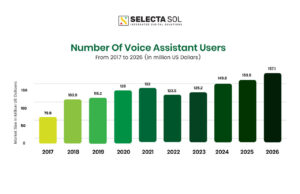
According to Statista, In 2022, there were around 142 million users of voice assistants in the United States, nearly half of the country’s population. The number of voice assistant users is forecast to increase to 157.1 million users in 2026. That’s great, isnt? Imagine the total number of users in the world. This means that voice search optimization is a critical component if someone wants to grow their business online.
Voice search is now a daily use thing because it’s too easy to use for users for example, Hey Google! Men’s Clothing near me. You don’t have to type or there is no chance of typo mistakes and all just speak up your search.
Now you know what voice search its history and adoption and some of the best AI assistants let’s talk about some key aspects that now are important and you have to consider:
- Convenience and Speed
- Advancements in Voice Recognition Technology
- Proliferation of Voice-Activated Devices
- Rise of Voice Search SEO
- Growing Comfort with Voice Technology
- Multilingual Support
- Integration with Smart Home Devices
- Privacy Concerns
These are some main factors that you have to consider if you are going for voice search optimization.
The Impact of Voice Search on Search Engine Rankings
You must be thinking why you have to give so much importance and all to voice search optimization or is there any real impact of voice search on search engine rankings? Let’s discuss the impact of Voice Search on Search engine rankings and why the demand of voice search optimization is increasing.
Following are the key impacts of Voice Search on search engine rankings:
Natural Language Processing
Voice Search is a conversation search with long phrases as compared to typing search. You have to take care of Natural Language phrases ( Keywords) more for voice search optimization.
Local SEO

Majority of Voice Searches have locations in it like ‘Best burger in South Carolina’ or ’Best burger near me’ which have an impact on local search algorithms too. You also have to take care of your Google Business Profile(GBP) with optimized listings to make it better.
Featured Snippets
Voice search often pulls from featured snippets or position zero results. Optimizing content to answer common questions succinctly can improve the chances of being selected for these snippets.
Mobile Optimization
Almost everyone has a smart mobile nowadays and it’s very convenient to use. Majority of voice searches are from mobile so it’s very important to have a voice search optimized and mobile friendly website.
Schema Markup
Implementing Voice search phrases in Schema Markup will help you a lot.
Content Quality
High-quality, authoritative content that directly answers users’ questions will likely perform better in voice search results.
Voice Search has an impact on these search rankings modules which you have to take care of. Seems Complex or Difficult? Contact Selecta Sol for voice search optimization as they have best experts with required skills.
How does voice search impact SEO?
There is a difference between how people speak and how people type the same thing. Voice search is different from traditional SEO due to which you have to make your SEO strategies accordingly.
When People do voice search they mainly ask questions. Confused right? Suppose a person has to buy a car battery for his car. Instead of ‘Car battery for my Suzuki Liana’ ( which he types for traditional SEO), he/she does voice search with phrases like ‘Where to buy Car battery for Suzuki Liana near me or in XYZ area’. Voice Search has molded the traditional search into a completely new voice query.
This means you have to take conversational queries more for voice search optimization into your accounts. People talk with each other and this is exactly what it is.
Voice search requires you to optimize your SEO plan to focus on how users verbally search, what phrases or keywords they use, and what information they want to find.
How to Optimize a Website for Voice Search
Optimizing your website for voice search is an important strategy, as voice search is increasingly becoming a common way for users to interact with the internet. People tend to use voice search differently than text-based search, so understanding these differences is key to improving your website’s visibility and user experience. Here’s a comprehensive guide on how to optimize your website for voice search:
How to Find and Use Keywords for Voice Search
When it comes to voice search, keywords are different from regular text-based searches. People talk to voice assistants like they’re having a conversation, so your keywords need to match that.
- Look for Long-Tail Keywords
These are longer phrases that sound like full sentences. For example, instead of focusing on just “pizza near me,” think about how people actually ask for pizza: “Where can I find the best pizza in New York?”
- Use Question Words
Voice searches often start with questions like “What,” “How,” “Where,” and “Why.” You can find these keywords by thinking about the questions people might ask related to your product or service. For example, “How do I fix a leaky faucet?” or “What is the best laptop for gaming?”
- Use Tools to Find Keywords
You can use tools like Google Keyword Planner, Ubersuggest, or AnswerThePublic to help find common questions or long phrases people are searching for.
How to Find Topics for Voice Search
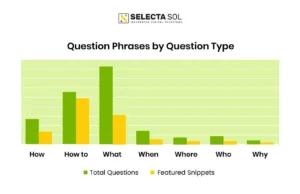
Voice search is all about answering questions clearly and directly. To make your website more visible, you need to provide clear answers to the questions people ask.
- Identify Common Questions
Think about what people are asking in your industry or field. You can check Google’s “People also ask” section, look at FAQs from competitors, or use question tools like AnswerThePublic to see what questions people are typing or speaking.
- Create Helpful, Short Answers
Once you know the questions, create simple, straightforward answers. For example, if people often ask, “How do I get a good night’s sleep?” You can write an article answering that, giving tips like “Avoid caffeine before bed” or “Set a regular bedtime routine.”
- Answer in Paragraphs or Bullet Points
Since voice search results tend to focus on snippets of information, organize your answers in a way that’s easy to read or speak. Break up the text with bullet points or short paragraphs to make it easy for voice assistants to pull your content.
Optimize Long-Form Content for Voice Search
Long-form content (like blog posts or articles) is great, but it needs to be optimized for voice search to work well. Here’s how:
- Use Natural Language Throughout the Content
In long-form articles, make sure the language feels like someone speaking to a friend. For example, instead of writing “Pizza is a popular food item,” you might say, “What makes pizza so popular?”
- Break Content into Simple, Clear Sections
People tend to ask about one thing at a time. When you write long-form content, break it up into sections with clear subheadings. For example:
- How to Make Pizza at Home
- What Are the Best Toppings for Pizza?
- How Long to Cook Pizza for Perfect Results
At the end of your article, you can add a list of frequently asked questions and their answers. This helps Google find content to pull for voice search.
Example: For a blog post about “How to Make Pizza at Home,” you might have this FAQ section:
- What temperature should I bake pizza?
- Bake pizza at 475°F (245°C) for the best crust.
- How long does it take to cook a pizza?
- Most pizzas cook in about 10-15 minutes at 475°F.
Optimization for Local Searches
Voice searches are often local because people want answers for things near them (like restaurants, stores, or services). Optimizing for local search is crucial if you want your business to be found.
- Claim Your Google My Business Listing
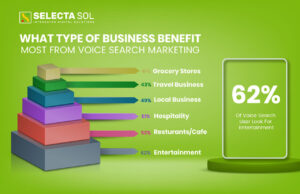
What Type Of Business Benefit
This is one of the most important steps for local SEO. Google My Business helps you show up when someone nearby asks for your product or service. Make sure your business name, address, phone number, and hours are correct.
- Use Local Keywords
Add local terms to your website’s content, such as city names, neighborhoods, or nearby landmarks. For example, if you own a bakery in Austin, Texas, you might target phrases like “best bakery in Austin” or “fresh pastries near me in Austin.”
- Add Location Pages
If you have multiple locations or service areas, create specific pages for each one. For example, if you’re a cleaning service with offices in New York and Los Angeles, you might have separate pages like:
- “House Cleaning Services in New York”
- “Professional Cleaners in Los Angeles”
Use Structured Data for Local Businesses
Add structured data (Schema Markup) to help search engines understand your business details and location better. For example, using Local Business schema can help Google know that your address, phone number, and working hours are correct.
Example: For a restaurant in Boston, you could write content like:
- “Looking for the best pizza in Boston? We offer delicious thin-crust pizzas with fresh ingredients, located just steps away from Boston Common. Visit us today!”
This helps your restaurant show up when someone asks, “Where’s the best pizza near me in Boston?”
Key Considerations for Voice Search SEO

Voice search is different from regular search because people use it in a conversational way. When optimizing for voice search, there are some important things to keep in mind:
- Natural Language: People speak in full sentences when using voice search. Make sure your content answers common questions in a natural, easy-to-understand way.
- Long-Tail Keywords: These are longer, more specific phrases that people use when talking. For example, instead of just “pizza near me,” someone might say, “Where can I find the best pizza in Chicago?”
- Local Search: Many voice searches are local, like “Where is the nearest pharmacy?” or “Best coffee shop near me.” Make sure your website is optimized for local SEO if you have a physical location.
Build Website Authority
Website authority means how trustworthy and credible your site is. Google looks at your authority to decide if your website should show up in voice search results. To build authority:
- Create High-Quality Content: Make sure your content is helpful, well-researched, and trustworthy. Google rewards websites that provide valuable information.
- Get Backlinks: Backlinks are links from other websites to yours. They help show Google that other people trust your website, too.
- Update Your Content Regularly: Search engines prefer fresh content. Keep your articles and pages up-to-date to show Google that your website is active and relevant.
Aim for a 9th-grade Reading Level.
People using voice search want answers that are easy to understand. Aim to write content that a 9th grader could read and understand. This doesn’t mean you should write “thin” content, but keep it simple and clear.
- Simple Language: Use short sentences and everyday language.
- Avoid Jargon: If your content is technical, explain the terms in plain words.
- Keep It Focused: Address one topic at a time and break it down into easy-to-digest chunks.
Why it matters: If your content is easy to read, people are more likely to use it, and voice assistants will find it easier to pull your answers.
Create Structured Data (How Schema Markup Helps)
Structured data (also known as schema markup) is a way to tell search engines exactly what your content is about. It helps search engines understand your website better and can make your content appear in featured snippets or rich results.
Schema markup is a special code you add to your website that tells search engines about your content. For example, if you have a recipe, you can use schema to show the ingredients, cooking time, and other details.
Voice assistants pull answers from content that’s well-structured. If you use schema markup, it can make it easier for Google to understand and present your content in voice search results.
For Example, If you run a restaurant, adding the “LocalBusiness” schema can help search engines understand your location, hours, menu, and reviews.
Work to Get Your Website in Knowledge Graph
The Knowledge Graph is the box of information that appears at the top of Google search results with facts about people, places, or things. If your website is featured here, you’ll increase your visibility in voice search.
Fast Loading Speed – Core Web Vitals
Google cares about user experience, and part of that is site speed. If your website is slow to load, it can hurt your rankings, especially for voice search, as voice assistants prefer fast-loading sites.
- Core Web Vitals measure how fast your site loads, how quickly it becomes interactive, and how stable the layout is as it loads.
- How to Improve Speed:
- Optimize images. Compress and resize images to reduce load time.
- Use caching. Enable browser caching to speed up repeat visits.
- Minimize code. Reduce the size of CSS, JavaScript, and HTML files.
If someone searches “How to make a pizza dough,” and your page loads slowly, users may leave before it even fully loads. A fast page will keep users engaged.
Make Your Website Mobile-Friendly
Most voice searches come from mobile devices. If your website isn’t mobile-friendly, you’ll lose a lot of traffic, and Google may rank you lower in voice search results.
- Responsive Design: Your site should automatically adjust to fit any screen size (phone, tablet, desktop).
- Fast Mobile Loading: Make sure your website loads quickly on mobile devices, as this impacts both user experience and search rankings.
If a user asks, “What are the best hiking trails near me?” and your website isn’t mobile-friendly, they might leave, leading to a higher bounce rate and a lower ranking.
Rank Your Website Videos
Videos are a powerful part of voice search. Many users ask voice assistants to play videos, such as “Show me how to tie a tie.” If you have videos on your website, optimizing them can help you rank in voice search results.
- Add Transcripts and Captions. Including a transcript or captions in your video helps search engines understand the content and can increase visibility in voice search.
- Optimize Video Titles and Descriptions. Make sure your video titles and descriptions are clear and include keywords that people might ask via voice search.
- Host Videos on Your Website. If your videos are hosted on platforms like YouTube, make sure they are embedded on your website too. This gives you better control over the video’s SEO.
If you run a cooking blog and post video recipes, a user might say, “How do I make a chocolate cake?” If your video is optimized and embedded on your site, you have a better chance of being featured in voice search results.
By keeping these considerations in mind, you can make sure your website is optimized for voice search. It’s all about providing clear, helpful answers, making sure your site loads fast, and ensuring your content is easy to find and understand.
Conclusion
As we continue to embrace the digital age, voice search optimization is becoming increasingly essential for businesses and content creators aiming to stay ahead in the competitive online landscape. Over the past five years, voice search adoption has grown exponentially, with more users turning to voice assistants like Google Assistant, Siri, and Alexa for quick answers, convenience, and hands-free control.
According to Statista
According to Statista, the number of voice-activated digital assistants in use worldwide is projected to reach 8.4 billion devices by 2024, surpassing the world’s population. This shift underscores the need for businesses to prioritize voice search as part of their SEO strategy to remain visible to their audiences.
The evolution of voice search, particularly with the integration of AI, has dramatically transformed how users interact with search engines. Unlike traditional text-based searches, voice search queries tend to be more conversational, longer, and naturally phrased. As AI technology advances, voice assistants are becoming better at understanding the context and nuances of human speech, which has further elevated the importance of optimizing content for voice search.
For businesses looking to stay relevant in this voice-first era, it’s crucial to understand how voice search works and what changes are required to optimize websites for voice queries. This includes focusing on long-tail keywords, creating content that answers frequently asked questions (FAQs), and ensuring the site is mobile-friendly and fast. Optimizing local search results is another critical aspect, especially for businesses that rely on local customers.
Looking ahead, the future of voice search optimization seems bright, with anticipated growth expected to continue for the next several years. As voice assistants become more integrated into daily life and smart devices, the demand for voice search optimization strategies will only increase. By focusing on creating content that aligns with user intent, optimizing for local SEO, and ensuring a seamless user experience, businesses can position themselves for success in the voice-driven digital age.
Voice search is not just a trend, it’s the future of how users will interact with the web. Staying ahead of this evolution through voice search SEO will ensure that businesses remain visible, relevant, and accessible in a world that is increasingly prioritizing voice-driven interactions.


Comments are closed