









Solutions are created with your business in mind, with your business's goals and features integrated into optimized solutions. This approach ensures that all aspects correspond to the goals and objectives, increasing production.
01
In solving particular problems and meeting specific user demands, custom solutions reveal significantly higher performance than ‘ready-made ‘software. They are configured to fit your specific business activities and processes, making your activities and operations faster and more effective.
02
Most software solutions are tailored to help you achieve your growth objectives so your firm will easily grow with them. They are easily customizable to cater to new demands and are compatible with new technologies that may be developed in the future, hence their effectiveness.
03
Customers enjoy customized approaches to achieve data protection as it focuses on the uniqueness of your corporation. Ensured compliance with industry standards and customers’ needs, minimized risks associated with security holes, and improved trust.
04
Although there could be higher costs in the beginning stages of development, custom solutions may be more cost-effective in the long run. These solutions reduce irrelevant add-ons and licenses, streamline functions, and minimize unnecessary workflow, thus delivering higher ROI.
05
Custom solutions are a part of your business that helps set it apart from the competition, as competitors may have to develop to get the same enhancements. They allow you to control and adapt to change, place you at a better strategic level in your respective industry, and gain more clients.
06

We will take the time to discuss with you to get a feel for the services you desire and your aspirations for your business. To that end, the specific scope and goals of the project are identified in an elaborate requirements analysis study that maps out your vision and expectations.

We are experts in creating unique software solutions that fit your company’s needs and demands. Our approach to development is from concept to deployment, employing current technologies and standards to develop maintainable and extensible applications for your needs.

We create applications specific to your business processes that simplify users' workflows. All our solutions are developed to be efficient, easy to use, and compatible with various devices and systems.

We offer bespoke mobile application development solutions for iOS and Android operating systems. Whether you are aiming for the customer or employee side, the apps we develop are built for usability, usability, and usability to achieve your mobile strategy objectives.
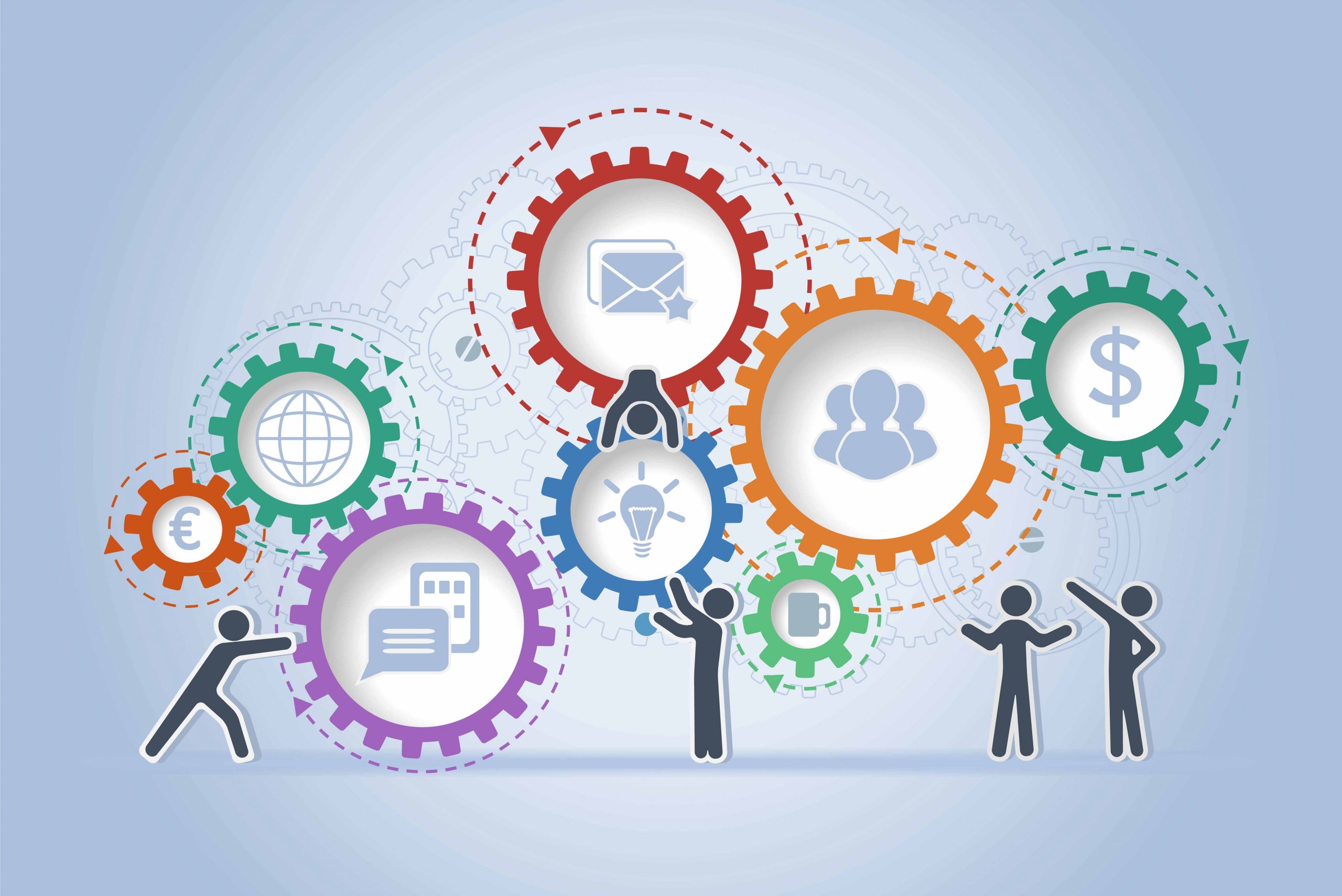
We also integrate custom solutions with your current systems, databases, and third-party applications. This leads to effective and efficient data processing, increased productivity, and optimization of the return on speciation on Information Technology.

Our solutions are focused on designing unique e-commerce environments that reflect the specifics of your business and clients’ demands. Everything is developed to enhance sales, from e-commerce to payment systems and inventory management.

Our core competency is creating individualized cloud applications based on reliable cloud technologies. This means their migrations, developments, and management happen efficiently in the cloud environment.

We design IoT solutions to connect smart devices, sensors, and analytical systems to your organization’s environment. The solutions allow tracking, managing, and creating automated processes and reports to improve decision-making and organizational processes.
We offer maintenance, support, and optimization to help your custom solutions perform optimally and stable. This makes our strategy to prevent and solve problems before and as soon as they appear to ensure your money’s worth technology is optimized.

We have experience and work in the sphere of custom solutions development. Our team consists of senior experienced staff and knowledgeable persons who would have completed several other works in different sects. Our successful experiences with complex requirements guarantee satisfaction and success, and we provide the best quality solutions for your company's business requirements.

Selecta Sol focuses on custom solution development based on an individual approach. We invest time in identifying your needs, problems, objectives, and organization’s work processes. This way, we guarantee that you receive a product that will fit your needs perfectly and bring efficiency and all the growth potential.

In addition to development, we provide consultation, design, integration, and sustainment services. Starting with the concept, design, implementation, evaluation, and optimization, we offer comprehensive services that help you maximize your technology investment. With Selecta Sol, strategic cooperation is not only a contractual relationship but an overall growth-oriented approach.
