







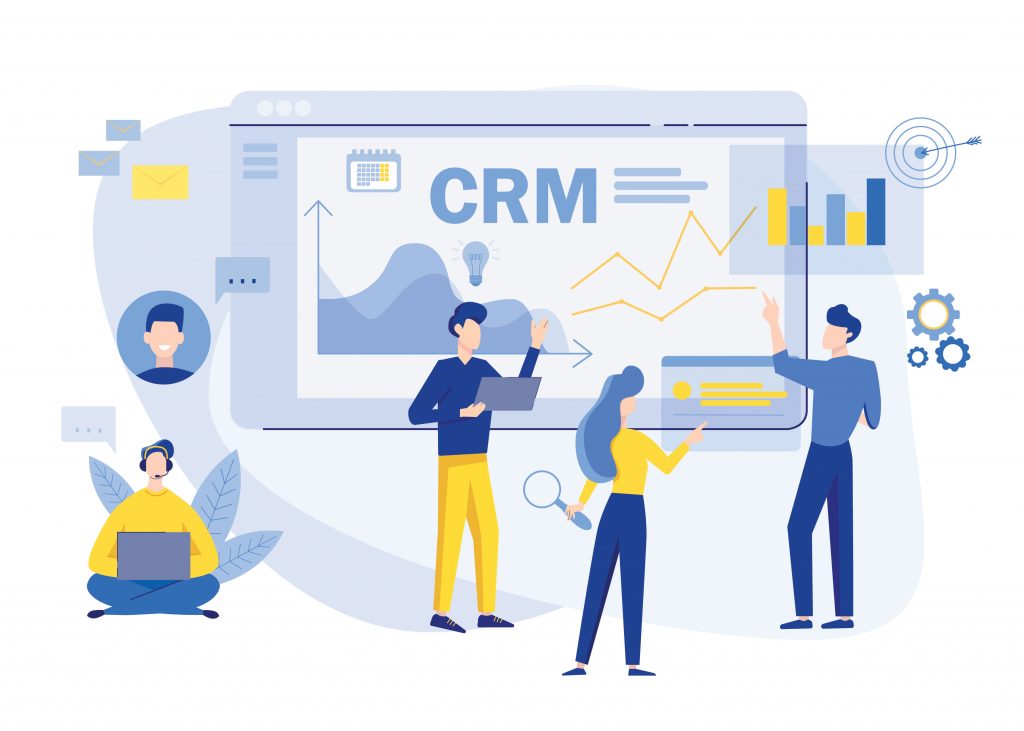
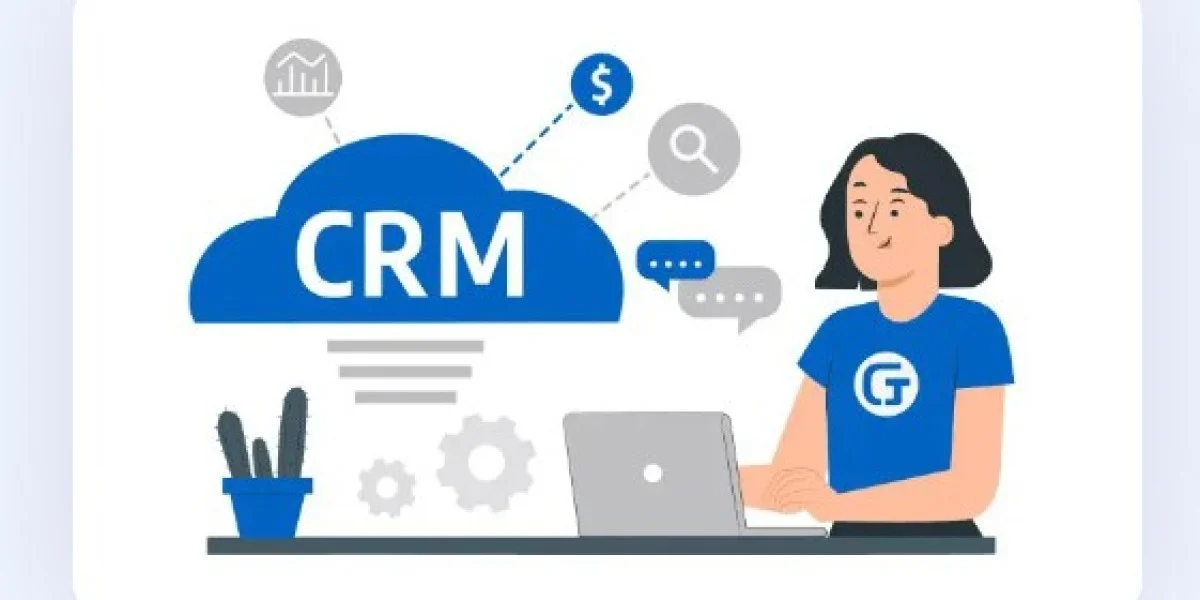

Our company can produce custom CRM solutions for businesses and industries. We incorporate efficient working features for customer data management, sales and marketing tools, and customer relations to keep our business running smoothly and effectively.
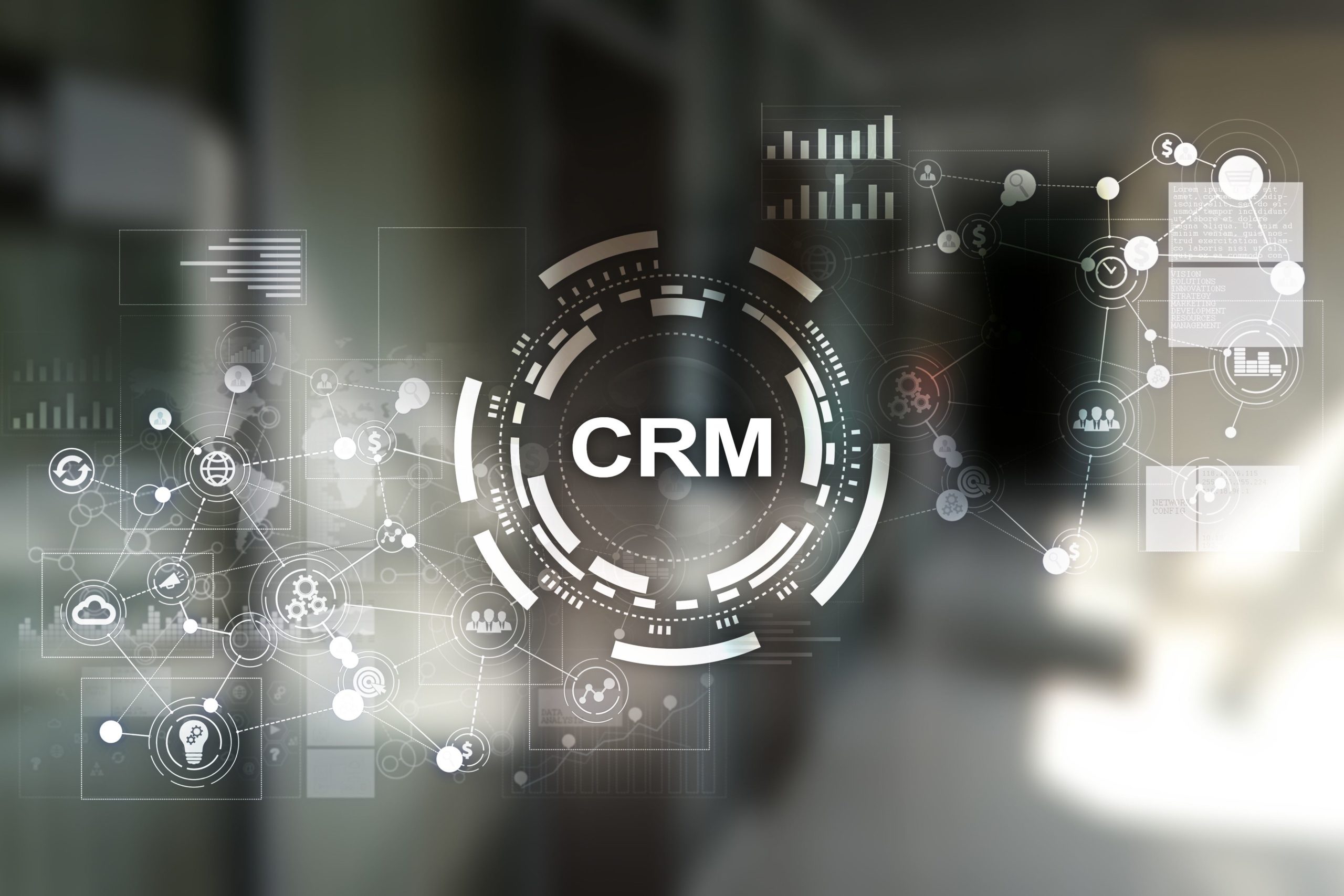

We ensure that your CRM solutions are compatible with your current applications, such as ERP, e-commerce, and marketing. This allows you to have the pertinent data in one place while still harmonizing the operations of the various departments with the aid of technology.


We integrate sales activities such as sales leads, sales opportunities, and pipelines in Salesforce CRM, rationalizing the sales team's workload, enhancing the accuracy of the sales forecast, and increasing conversion rates.
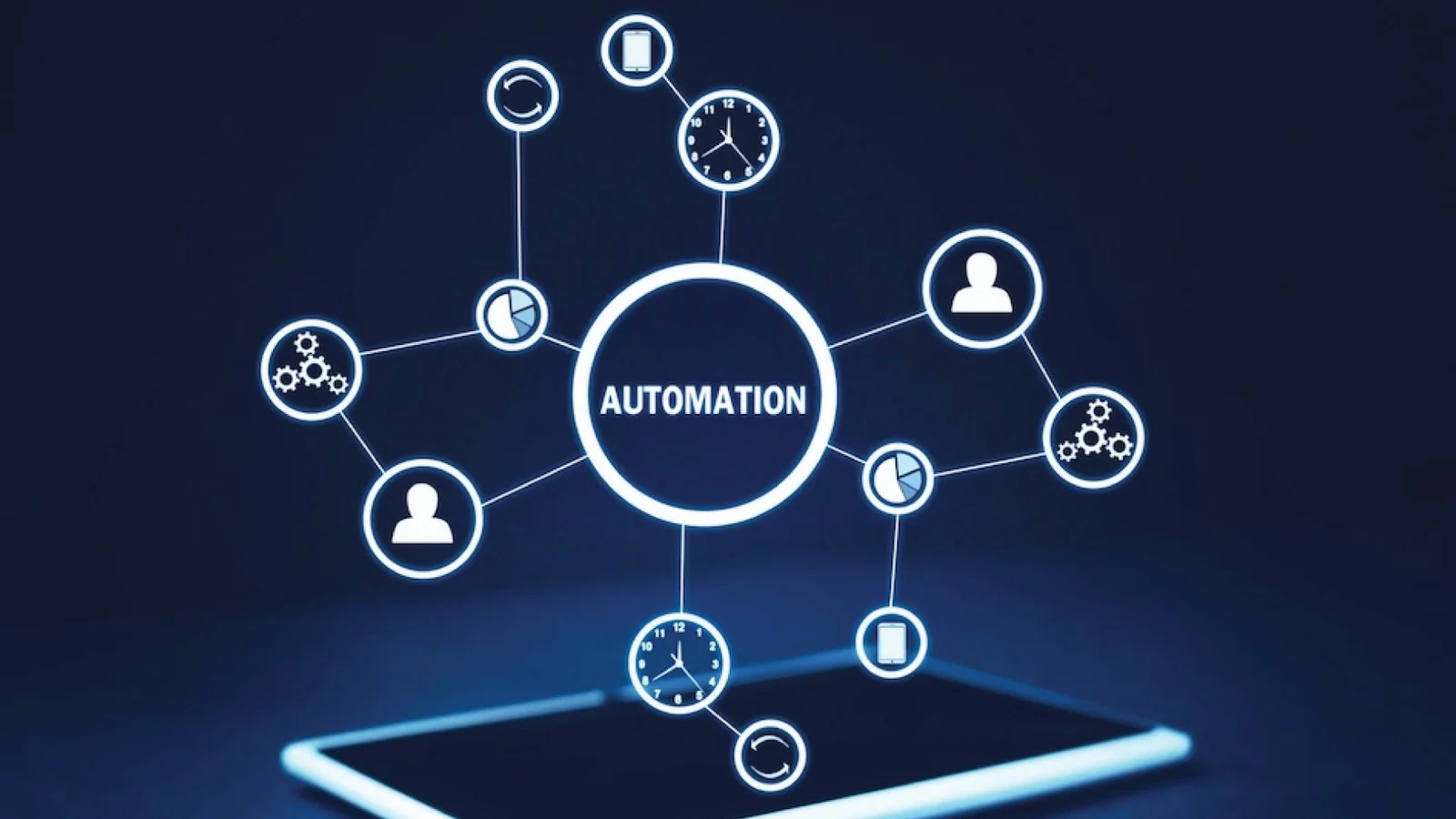
Marketing automation is part of CRM, which includes handling and controlling campaigns, leads, and customer segments to send messages to the right target, increase response, and generate high-quality marketing and sales leads that boost the overall marketing ROI and customers.

We design, build, and implement CRM solutions that effectively address ticketing systems, knowledgebases, and omnichannel support for timely issue resolution, customer satisfaction, and loyalty.
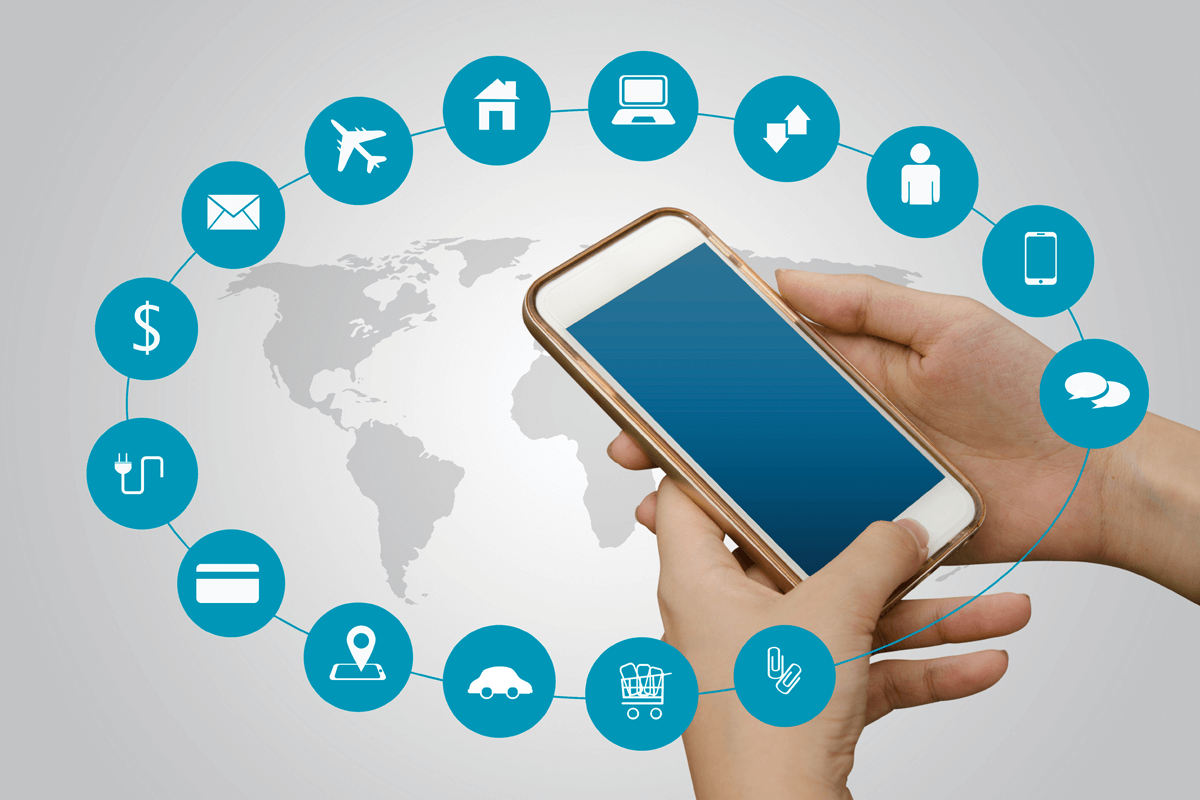
Our mobile CRM applications enable your sales and service departments to monitor essential client information while on business trips or in the field, boosting the efficiency and interactivity of the personnel.
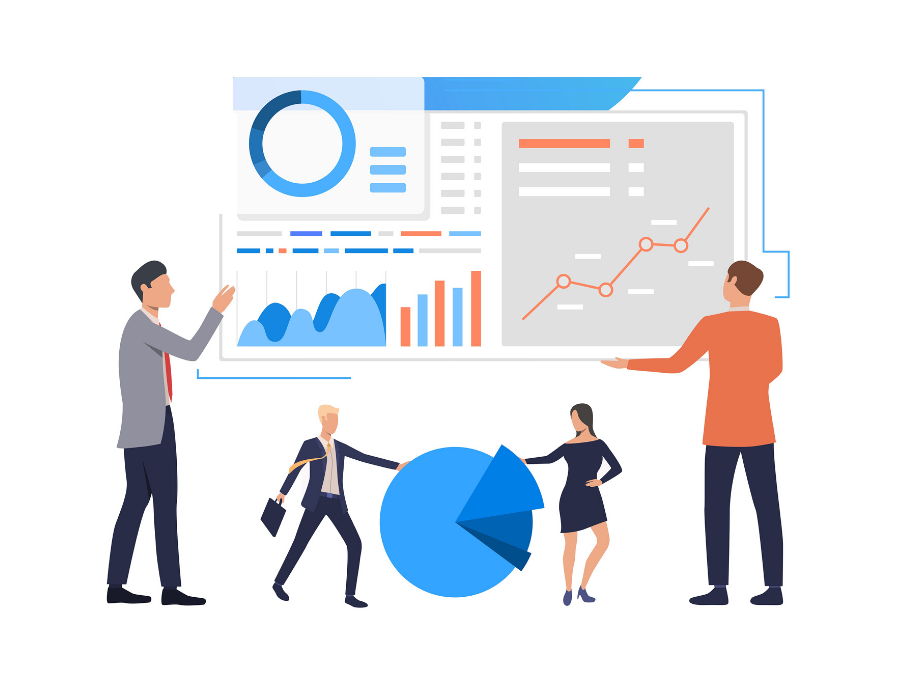
CRMs feature robust analytics for measuring performance levels and tracking sales and customer patterns. These tools help formulate sound strategies, make decisions, and manage and develop businesses.
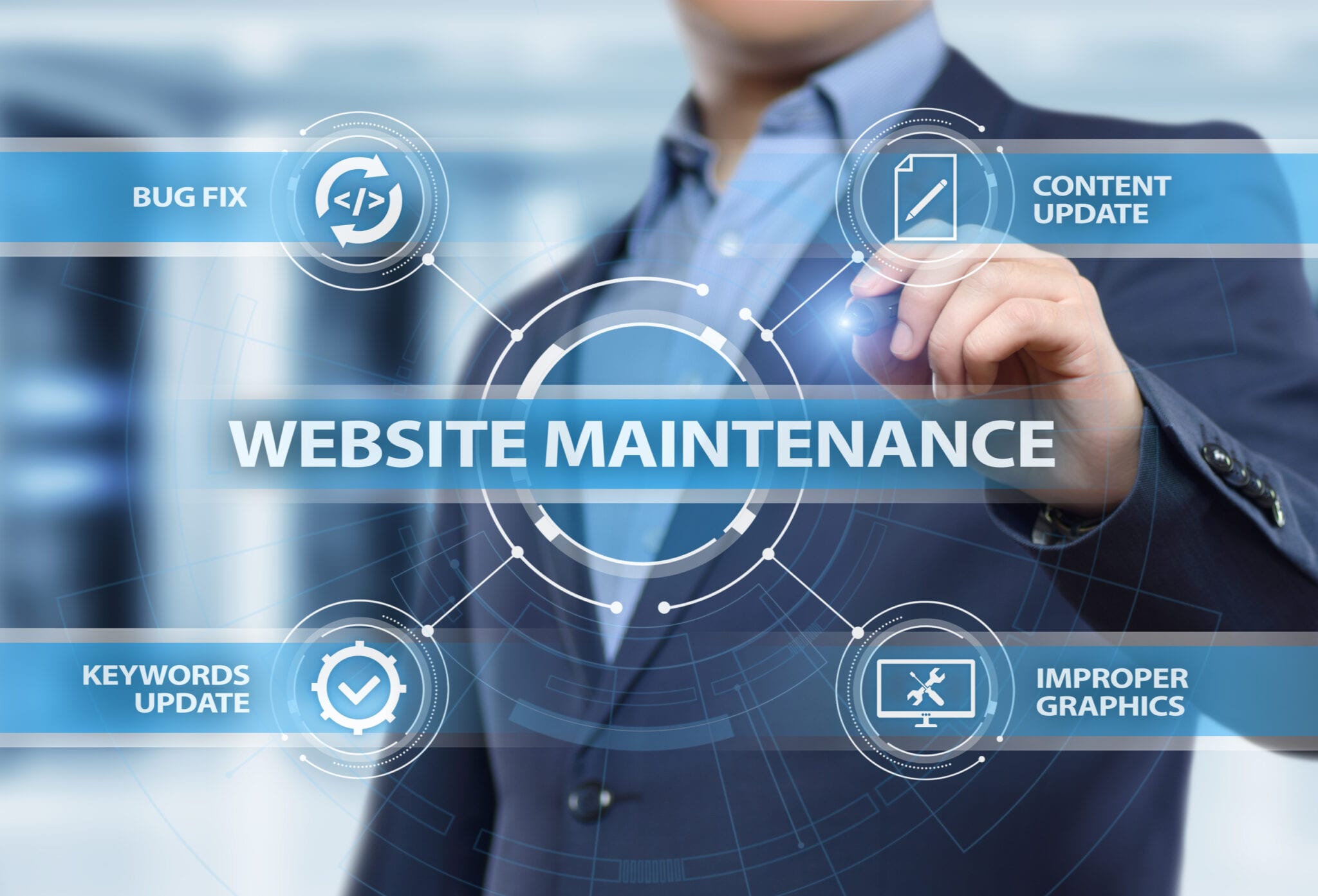
After implementation, we provide our clients with maintenance, support, and strategic reviews to monitor and enhance the CRM solution's functionality. Ongoing supervision, problem-solving, and upgrades help prevent disruptions, reduce system failure, and maintain high customer satisfaction.

First, we will learn about your business objectives and the CRM system you desire. Then, we conduct detailed consultations on requirements and expected functionality, further integration needs, and user processes to define a detailed outline for CRM development.

Based on the collected requirements, we designed the UI/UX and created prototypes of the CRM’s work, checking how it will look according to the brand identity and how people expect to work with it.

Our team creates the CRM solution, setting modules and functionalities according to your requirements. Our priorities include the ability to scale, data security, and compatibility with current systems to boost organizational productivity.

Testing is conducted to confirm that the CRM is fully functional across all call scenarios. From functional to performance testing, we ensure dependability, usefulness, and conformity to quality before going to production.

When testing is completed, we implement the CRM and give the users detailed training and assistance. Our goals are to ensure an easy transition, increased user take-up, and perpetual improvement to gain the best results from CRM and gain business advantages.
