






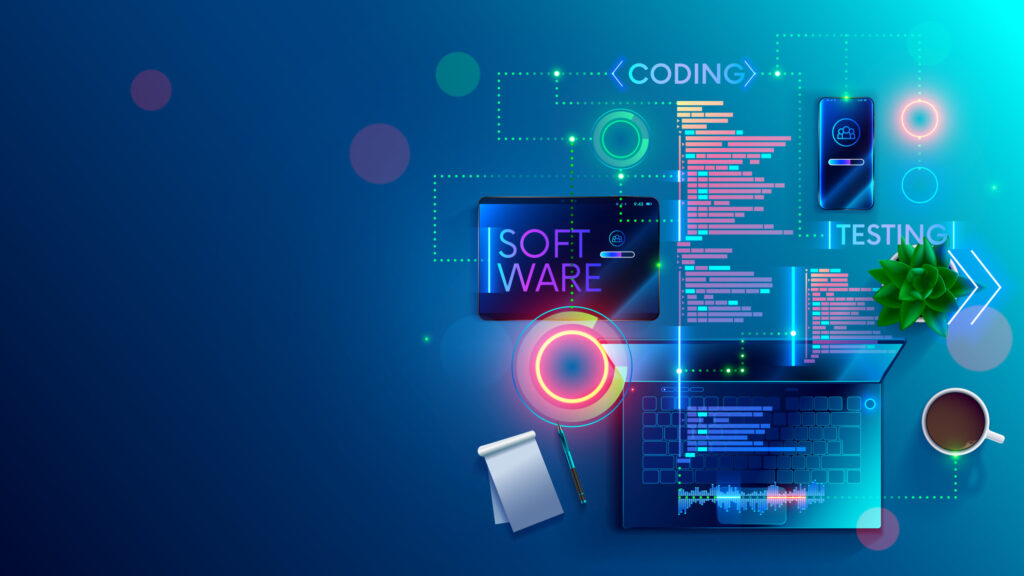








Regarding software solutions, we thoroughly assess your needs in responding to your business needs and operations.


We develop customized software to solve particular issues and assist in integrating them into business processes.


We build web applications for your enterprise that are safe, robust, and built to be intuitive in their usability, covering your online presence and your firm’s activity.

We develop mobile applications for iOS and Android that are captivating to the users and enable your business to reach mobile users effectively.

The new software is then ‘plugged’ into your organization’s systems to boost their functionality in transferring and processing information.
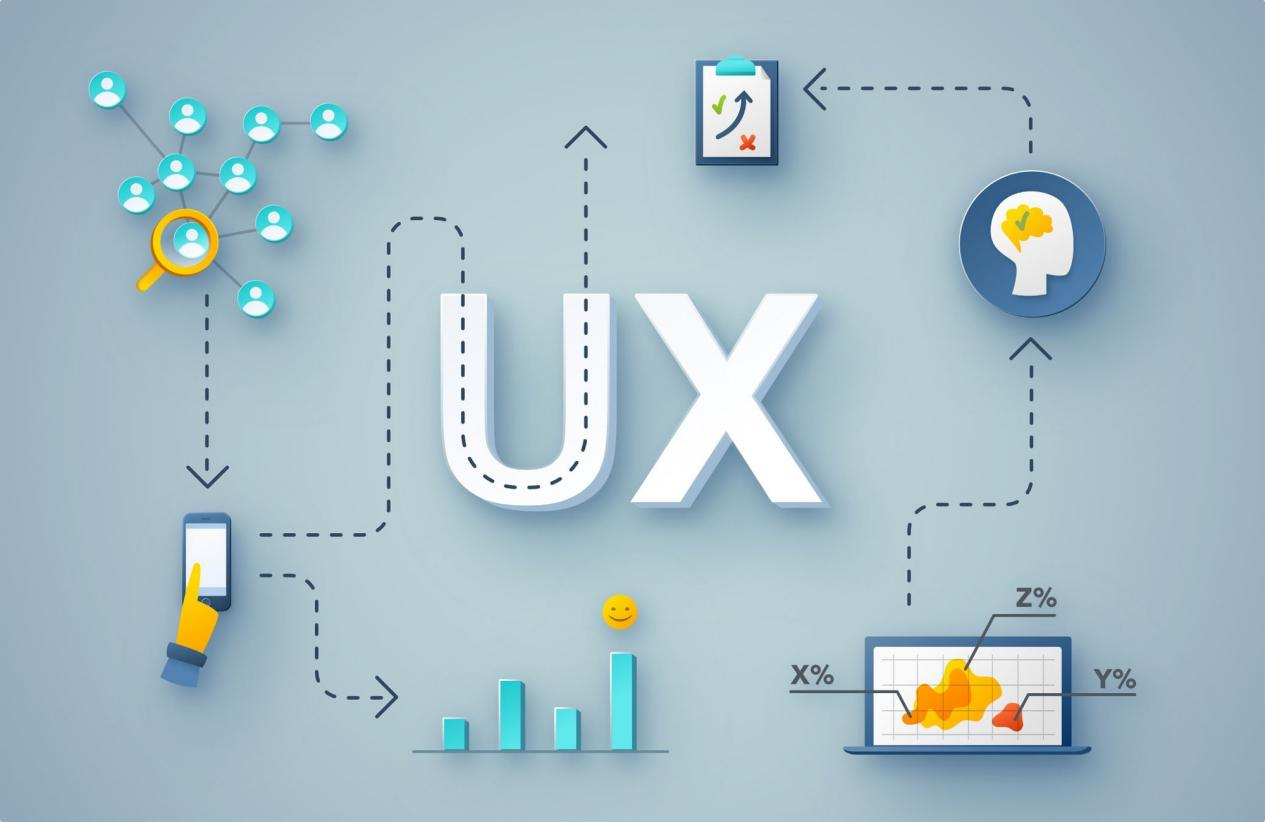
Considering usability and user-friendliness when using software, we pursue the principles of user interface (UI) and user experience (UX) design to improve users’ interactions and productivity.
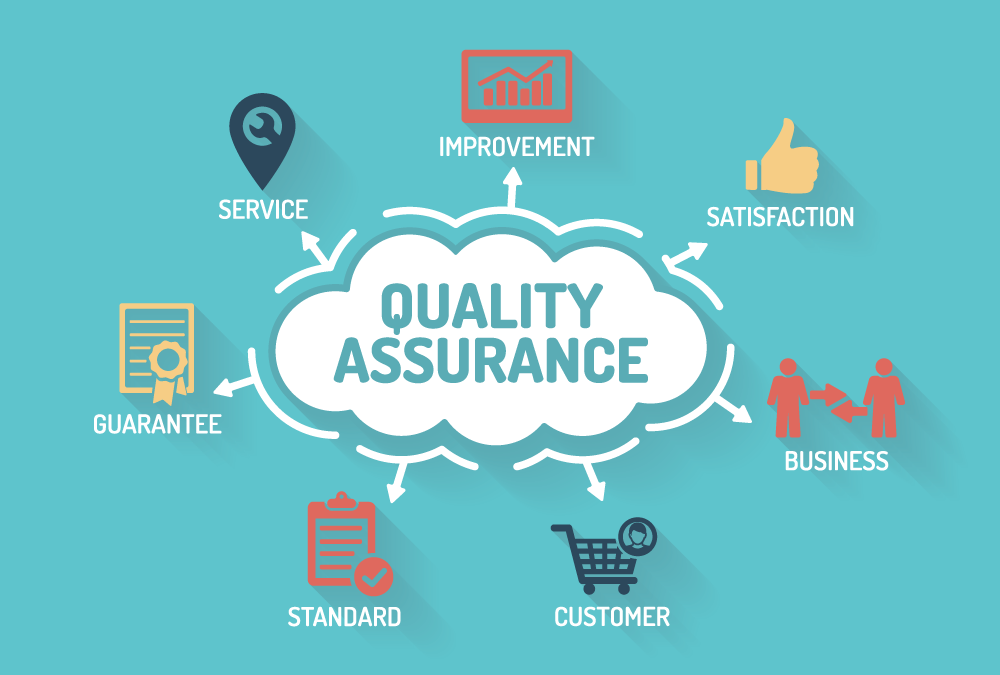
We are keen on testing to remove all problems that can affect the software's performance and reliability and cause it to fail to meet the set quality standards.
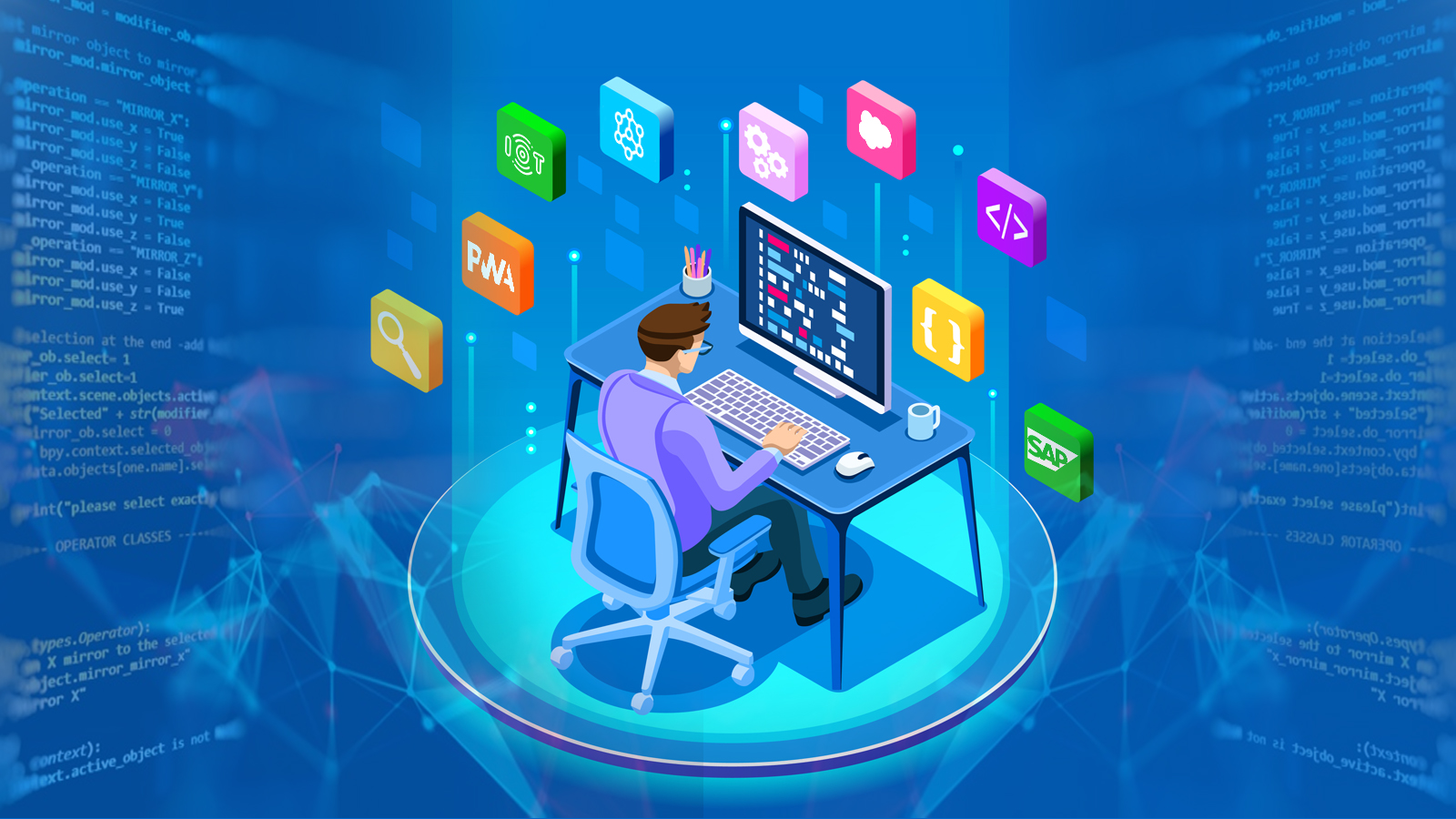
We deploy and move applications, ensuring proper transitions from development environments to production ones and setting them up for efficiency.
We guarantee continuous technical support, system updates, and service to ensure your program always runs smoothly. We resolve issues immediately to ensure less break and high productivity.

Our encryption and protections involve compliance with the prevailing industry requirements on security to protect data from unauthorized access and hackers adequately and to afford operating balance and tolerance among clients.
